Cataclysm Classic Leatherworking Guide
Embark on a crafting journey! This comprehensive guide details leveling, patterns, materials, and profitable items for Leatherworking in Cataclysm Classic,
unlocking potent gear․
Leatherworking in Cataclysm Classic presents a rewarding path for players seeking to craft powerful armor and useful items․ This profession allows you to create both leather and mail gear, catering to a diverse range of classes and playstyles․ Unlike some professions focused solely on one armor type, Leatherworking offers versatility, making it a valuable skill to possess throughout all phases of the expansion․
The Cataclysm revamp brought significant changes to Leatherworking, introducing new patterns, materials, and leveling strategies․ Mastering this profession requires understanding these updates and efficiently navigating the available resources․ This guide will provide a detailed overview of everything you need to know, from initial training to maximizing your profits and crafting the best-in-slot gear․ Prepare to delve into the world of hides, scales, and intricate crafting techniques!
Training Leatherworking in Cataclysm Classic
Beginning your Leatherworking journey in Cataclysm Classic is straightforward, though slightly different than in previous expansions․ You can initiate training with a Leatherworking trainer as early as level 78, though initial skill progression is capped at 75․ To find a trainer, simply seek out a guard in any major city of the original Azeroth – they can direct you to the nearest profession trainer․
Initially, you’ll need to learn Leatherworking alongside Enchanting․ As you level, you’ll unlock new skill tiers and recipes by visiting trainers in key locations․ Remember that training isn’t always necessary at every level; often, crafting items will naturally increase your skill․ However, trainer visits are crucial for accessing higher-tier patterns and maximizing your crafting potential․ Keep an eye out for trainer updates as you progress!
Starting Leatherworking: Levels 1-75
The initial stages of Leatherworking in Cataclysm Classic focus on gathering and processing basic materials․ Prioritize collecting Light Leather, Heavy Leather, and various hides from beasts throughout Azeroth․ Early recipes primarily involve crafting simple leather armor pieces like Leather Caps, Bracers, and Boots․ These items, while not exceptionally powerful, provide valuable skill-ups and a small profit margin․

Focus on consistently crafting items even if they don’t sell immediately; the skill gains are paramount․ Don’t overlook the importance of utilizing trainer-provided patterns․ Efficient leveling during this phase involves a balance of gathering, crafting, and occasionally purchasing materials from the Auction House if prices are favorable․ Remember to check for quests that reward leatherworking skill points!
Leatherworking Proficiency and Level Requirements
Cataclysm Classic’s Leatherworking has specific level and skill requirements for progression․ You can begin training the profession at level 78, allowing you to start gaining skill points․ Initially, you’re limited to a skill level of 75․ As you level your character and increase your Leatherworking skill, access to more advanced patterns and crafting recipes unlocks․
Reaching higher skill levels—like those needed for crafting end-game gear—requires significant investment in both time and resources․ Keep in mind that skill increases aren’t solely tied to character level; consistent crafting is crucial․ Regularly visiting Leatherworking trainers is essential to learn new recipes and maximize your proficiency, ensuring you can create the most sought-after items․
Accessing Classic Leatherworking Trainers
Finding a Leatherworking trainer in Cataclysm Classic is the first step to mastering the profession․ Initially, you’ll need to locate a trainer in the major cities of the original Azeroth continents – such as Stormwind, Orgrimmar, Ironforge, or Thunder Bluff․ Simply ask a city guard for directions to the nearest profession trainer; they can point you in the right direction․
These trainers will provide the initial skill levels and recipes to begin your Leatherworking journey․ As you progress, you’ll need to seek out trainers in Cataclysm zones like Mount Hyjal or Vashj’ir to learn more advanced techniques․ Remember to regularly check back with trainers to unlock new patterns and maximize your crafting potential throughout your leveling process․
Essential Leatherworking Patterns
Mastering Leatherworking requires acquiring key patterns throughout your progression․ Early on, focus on recipes that create basic leathers and crafting materials, as these will be consistently used for leveling and fulfilling demand․ Prioritize patterns that offer a good experience-to-cost ratio, allowing for efficient skill gains․
As you level, seek out patterns for sought-after gear, like crafted armor pieces and bags․ These not only contribute to your skill but also provide valuable items for personal use or auction house sales․ Regularly check trainer updates and explore online resources like Wowhead to discover new and profitable patterns․ Remember, a diverse pattern collection is crucial for a successful Leatherworking career․
Early Game Patterns (Levels 1-100)
Beginning your Leatherworking journey involves mastering foundational patterns․ Focus on crafting Rough Leather, Scrap Leather, and Light Leather – these are consistently needed for further recipes and provide steady skill gains․ Leather Armor Bracers and simple Leather Belts are also excellent choices for early experience․
Don’t overlook patterns for Leather Satchels; these are always in demand and offer a reliable source of income․ Prioritize recipes utilizing readily available materials like Borean Leather and Winter Hide․ Remember to visit trainers frequently to learn new patterns as they become available․ Efficiently crafting these basic items will quickly propel you towards higher skill levels and unlock more advanced recipes․
Leatherworking Leveling Strategy: 100-200
Reaching skill level 200 requires a shift towards more complex crafting․ Focus on utilizing Heavy Leather and Rugged Leather, obtained from skinning beasts in the mid-level zones․ Sturdy Leather Armor and Reinforced Leather Belts become valuable crafting options, providing good experience and potential for sales․
Begin crafting Durable Leather Bags; these are consistently sought after by players․ Supplement your leveling with Protective Leather Caps and Leather Shoulder Pads․ Remember to check the Auction House for material prices to ensure profitability․ Consistent crafting, combined with strategic material acquisition, will efficiently push you through this skill range, preparing you for the challenges ahead․
Leatherworking Leveling Strategy: 200-300
Progressing from 200 to 300 demands utilizing Firm Leather and Supple Leather, sourced from higher-level creatures․ Prioritize crafting Improved Leather Armor and Heavy Hide Armor Kits, offering substantial skill gains․ Durable Leather Satchels remain a reliable source of experience and gold, consistently in demand on the Auction House․
Consider crafting Leatherworking Drums, useful for raid groups and potentially profitable․ Efficient leveling during this phase involves balancing crafted gear with consistent bag production․ Regularly monitor Auction House prices to maximize profits and minimize material costs․ This strategic approach will accelerate your progress towards the 300 skill level, unlocking more advanced patterns and opportunities․
Leatherworking Leveling Strategy: 300-400
Reaching 300 unlocks crucial patterns, shifting focus to Rugged Leather and Sturdy Leather․ Volcanic Leather Armor and Stonehide Leather Armor become primary leveling targets, providing significant skill increases․ Supplement this with continued production of Durable Leather Satchels, maintaining a steady income stream․
Elemental Leatherworking begins to offer viable options, though material acquisition can be challenging․ Focus on patterns with high success rates to avoid wasting expensive materials․ Efficient leveling requires consistent material gathering or smart Auction House purchases․ This phase bridges the gap to higher-tier crafting, preparing you for the demands of end-game leatherworking in Cataclysm Classic․
Leatherworking Leveling Strategy: 400-525
The 400-525 range centers around Cataclysm’s high-end leather, notably Volcanic Leather and Primal Leather․ Dragonscale Leatherworking becomes accessible, offering powerful, albeit expensive, patterns․ Prioritize crafting Heroic and Epic quality gear, even if selling them isn’t the immediate goal – the skill gains are substantial․
Daily quests become increasingly valuable for obtaining necessary materials․ Focus on patterns with high material efficiency to minimize costs․ The Auction House is your friend; monitor prices for both materials and crafted items․ This final push requires dedication and resourcefulness, culminating in a fully skilled Leatherworker ready for Cataclysm Classic’s challenges․
Key Materials for Leatherworking
Leatherworking in Cataclysm Classic demands a diverse range of materials, evolving with skill level․ Early on, Rough Leather, Scured Leather, and various Hides form the foundation․ As you progress, Heavy Leather, Rugged Leather, and Knothide Leather become essential․ The Primal Leather family – Primal Leather, Primal Hide, and Primal Fur – are crucial for higher-level crafting․
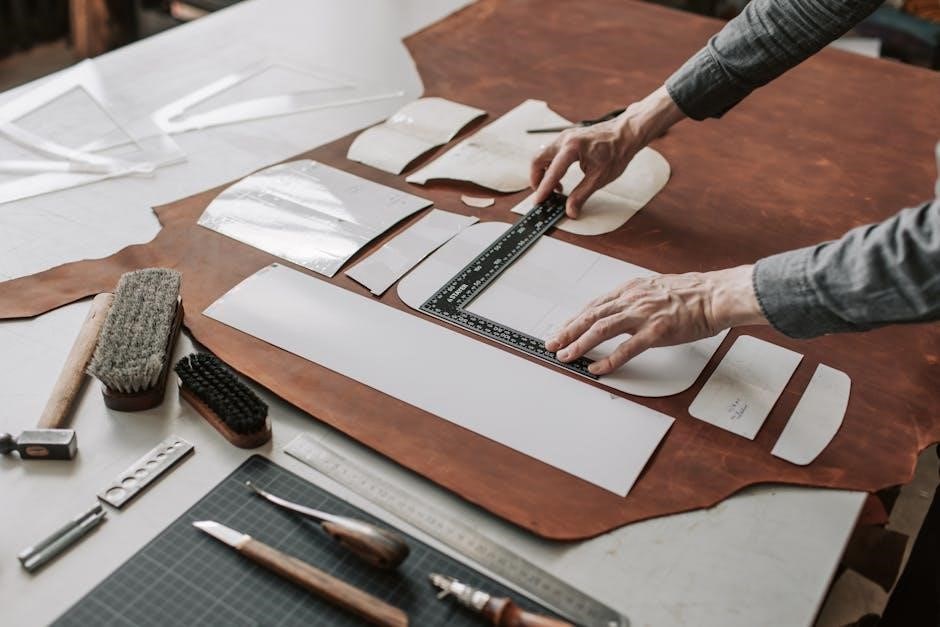
Volcanic Leather, sourced from Firelands creatures, is vital for end-game gear․ Don’t underestimate the importance of scales like Dragonscale Leather․ Efficient material acquisition through skinning, vendor purchases, and the Auction House is key to maximizing profits and minimizing crafting costs throughout your leveling journey․
Types of Leather Used
Cataclysm Leatherworking utilizes a broad spectrum of leathers, each with specific applications and level requirements․ Rough Leather and Scured Leather are foundational, used in early-game recipes․ Heavy Leather and Rugged Leather become prominent as skill increases, enabling the creation of more durable gear․ Knothide Leather is essential for mid-level crafting, offering improved stats․
Primal Leather, obtained from skinning beasts, is a core component for many recipes from levels 200 onwards․ Volcanic Leather, sourced from Firelands, is crucial for high-end items․ Specialized leathers like Dragonscale Leather and Frosthide Leather are also utilized, offering unique properties․ Understanding these leather types and their sources is vital for efficient crafting․
Obtaining Leather and Hides
Securing a consistent supply of leather and hides is paramount for successful Leatherworking․ Skinning is the primary method, requiring a Skinning profession alongside Leatherworking․ Focus on skinning beasts in zones appropriate to your level, maximizing yield and minimizing competition․ Auction House browsing offers a convenient, though potentially expensive, alternative for acquiring specific hides․
Vendors in major cities sell basic leathers, but quantities are limited․ Daily quests sometimes reward leather as a bonus․ Farming specific creatures known to drop desired hides can be profitable, especially for rarer materials․ Remember to consider the cost-effectiveness of each method, balancing time investment with gold expenditure․ Efficient resource gathering is key to maximizing profits․
Crafted Gear for Leatherworkers
Leatherworking in Cataclysm Classic provides gear for both Leather and Mail armor users․ Leatherworkers can craft a diverse range of items, from early-game leveling gear to powerful endgame pieces․ Leather armor focuses on agility and stamina, benefiting Hunters, Rogues, and Feral Druids․ Mail armor, crafted by Leatherworkers, caters to Shaman, Warlocks, and Paladins, offering strength and stamina bonuses․
Early-tier gear is crucial for leveling and dungeon content․ Mid-tier crafting unlocks more specialized sets, enhancing performance in specific roles; Endgame gear, often requiring rare materials and recipes, provides significant stat boosts for raiding and PvP․ Mastering Leatherworking allows players to self-sufficiency and contribute to guild progression through gear creation․
Leather Armor Options
Leatherworking excels at crafting armor for agility-based classes․ Hunters benefit from ranged stat enhancements, while Rogues gain from critical strike and haste improvements․ Feral Druids utilize leather for shapeshifting and melee combat prowess․ Cataclysm Classic introduces several leather armor sets tailored to different content phases․
Early-game options include basic chest pieces, boots, and gloves, providing a foundation for leveling․ Mid-tier sets offer improved stats and set bonuses, enhancing performance in dungeons and heroics․ Endgame leather armor focuses on maximizing damage output and survivability for raiding․ Leatherworkers can also craft cloaks and belts, completing armor sets and providing additional stat benefits․ Careful material selection is key to crafting high-quality leather armor․
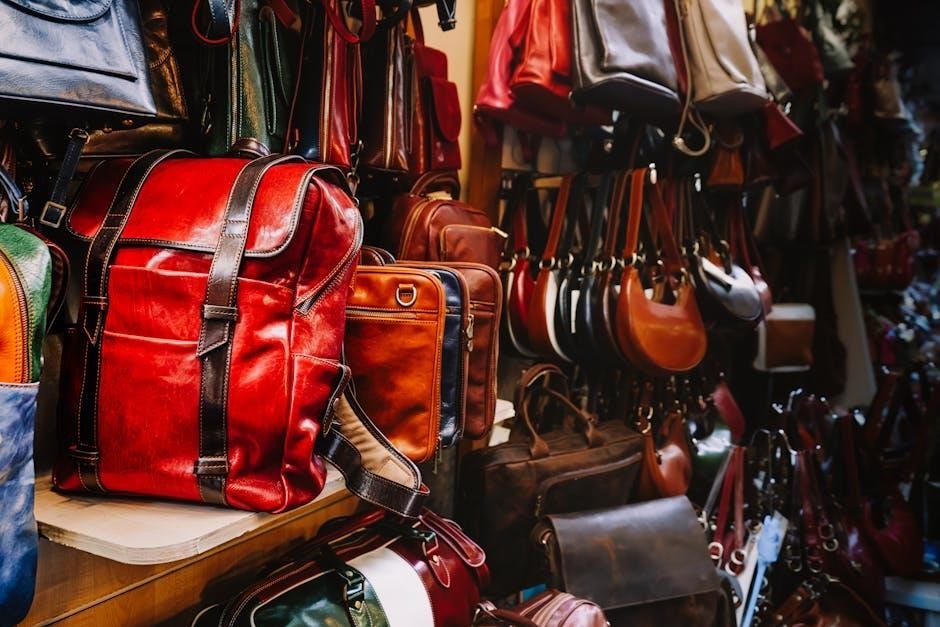
Mail Armor Options
Leatherworking uniquely crafts mail armor, catering to Shaman and Warlocks․ These classes benefit from the armor’s balance of protection and spellcasting enhancements․ Cataclysm Classic expands mail armor options, offering diverse stat combinations for various playstyles․ Leatherworkers can create mail chest pieces, helmets, shoulder pads, and leg armor․
Early-game mail armor provides a stepping stone for leveling characters, offering basic protection․ Mid-tier sets introduce improved stats and set bonuses, enhancing performance in dungeons and heroics․ Endgame mail armor focuses on maximizing spell power, critical strike chance, and survivability for raiding encounters․ Leatherworkers can also craft mail belts and bracers, completing armor sets and providing additional benefits․ Mastering material quality is crucial for crafting effective mail armor․
Leatherworking Daily Quests
Daily quests offer consistent rewards and skill-up opportunities for Leatherworkers in Cataclysm Classic․ These quests typically involve crafting specific items for NPCs, often requiring readily available materials․ Completing these quests provides experience, gold, and potentially valuable crafting recipes․ Focus on quests offered by Leatherworking trainers or factions aligned with the profession․
Daily quests are a reliable source of income, especially when crafting high-demand items․ They also contribute to reputation gains with relevant factions, unlocking further rewards and benefits․ Prioritize quests that align with your current leveling goals, maximizing efficiency․ Regularly checking for available daily quests is essential for maximizing Leatherworking progression and profitability․ Remember to utilize crafting modifiers to improve item quality and quest completion rates․
Profitable Leatherworking Items
Identifying lucrative items is key to maximizing profits in Cataclysm Classic Leatherworking․ Early on, crafted leather armor pieces, particularly those with desirable stats, sell well on the Auction House․ As you level, focus on crafting materials like Heavy Borean Leather and Volcanic Leather, consistently in demand by other players․ Mail armor components are also highly sought after, offering a steady income stream․
Consider crafting bags; they are always in demand․ Later, delve into crafting epic-quality gear, though material costs will be higher․ Monitor Auction House prices to identify gaps and opportunities․ Don’t overlook consumables like drums of restoration, useful for raiding and dungeons․ Efficiently managing your material sourcing and crafting queue will significantly boost your profitability․ Adapt to market trends and player needs for optimal returns․

Maximizing Leatherworking Efficiency
Streamlining your Leatherworking process is crucial for rapid progression in Cataclysm Classic․ Prioritize gathering your own materials whenever feasible, reducing reliance on fluctuating Auction House prices․ Utilize crafting modifiers strategically to increase your chances of creating higher-quality items, boosting their sale value․ Mastering the crafting queue allows for continuous production, even while offline․

Consider specializing in a particular niche, like mail armor or leatherworking drums, to optimize your skill and material acquisition․ Leverage daily quests for bonus skill points and reputation gains․ Efficient inventory management prevents wasted time and resources․ Regularly check for new patterns and updates to stay ahead of the curve․ Remember, consistent effort and smart planning are the cornerstones of efficient Leatherworking․
Leatherworking and Reputation
Reputation plays a significant role in unlocking exclusive Leatherworking patterns and rewards within Cataclysm Classic․ Several factions offer benefits to Leatherworkers, notably those associated with crafting materials and specific zones․ Building reputation often involves completing daily quests, crafting items for faction vendors, or simply turning in relevant materials․
The Kirin Tor and the Cenarion Circle are particularly valuable, offering access to powerful patterns and unique crafting recipes․ Investing time in these factions not only expands your crafting options but also provides access to valuable gear and rewards․ Don’t underestimate the long-term benefits of maintaining positive relationships with these groups; it’s a key component of maximizing your Leatherworking potential and profitability․
Resources and Further Information
For in-depth knowledge and up-to-date strategies, several online resources are invaluable for Cataclysm Classic Leatherworking․ Icy Veins provides a comprehensive profession guide, detailing leveling paths and profitable items․ Wowpedia serves as an extensive database for patterns, materials, and NPC locations, offering detailed information on every aspect of the profession․
Dugi Guides offers structured leveling guides, streamlining the process from 1 to 525․ The World of Warcraft Forums are a great place to connect with other players, share tips, and ask questions․ Remember to consult these resources regularly as the game evolves and new strategies emerge․ Utilizing these tools will significantly enhance your Leatherworking experience and maximize your success in Cataclysm Classic․