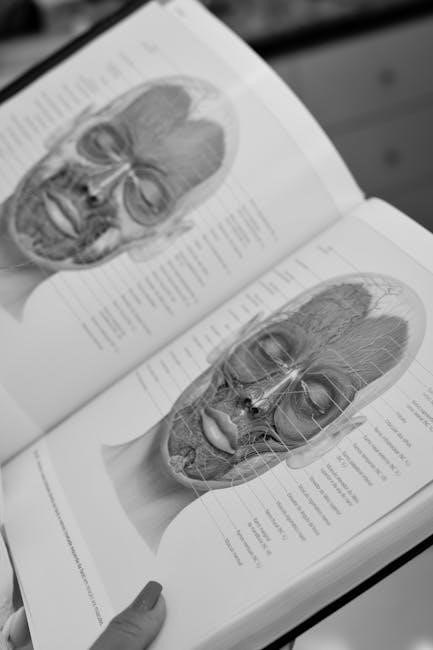
Dermatomes: A Comprehensive Guide (Updated April 21‚ 2026)
Dermatomes represent skin areas linked to spinal nerves‚ forming a comprehensive map across the body; downloadable PDF charts visually illustrate these crucial neurological pathways.
What are Dermatomes?
Dermatomes are specifically defined areas of skin innervated by individual spinal nerve roots. These areas aren’t sharply demarcated‚ but rather exhibit overlapping boundaries‚ creating a complex network across the entire body surface. Essentially‚ each spinal nerve‚ with the exception of C1‚ contributes sensory information from a distinct dermatomal region.
Understanding dermatomes is fundamental to neurological assessment. They represent the pathway through which sensory signals – touch‚ pain‚ temperature – travel from the periphery to the central nervous system. Detailed PDF charts are readily available‚ visually mapping these areas‚ from the fingertips to the toes. These charts are invaluable tools for clinicians.

The dermatome system allows for precise localization of nerve root involvement. When sensory deficits are identified within a specific dermatomal pattern‚ it strongly suggests a problem with the corresponding spinal nerve root. Accessing and utilizing these PDF resources enhances diagnostic accuracy and patient care.
The Neurological Basis of Dermatomes
Dermatomes originate from the segmented organization of the developing nervous system. During embryogenesis‚ the somites give rise to the spinal nerves‚ each responsible for innervating a specific segment of the body. This segmental pattern establishes the foundation for the dermatomal map. Sensory neurons within dorsal root ganglia transmit signals from the skin via these spinal nerves.
The precise neurological basis involves the dorsal and ventral rami of spinal nerves. The dorsal rami primarily supply the posterior body wall‚ forming the dermatomes. Detailed PDF resources illustrate how these nerves branch and distribute across the skin. Understanding this branching pattern is crucial for interpreting sensory deficits.
Overlapping innervation is a key feature; no single dermatome is exclusively supplied by one nerve root. This overlap provides redundancy‚ ensuring that loss of a single nerve root doesn’t result in complete sensory loss. Comprehensive PDF guides highlight these overlaps for accurate clinical interpretation.
Why are Dermatomes Important in Clinical Practice?
Dermatomes are fundamentally important in clinical practice for accurately localizing neurological lesions; Identifying the specific dermatome affected helps pinpoint the corresponding spinal nerve root involved in conditions like radiculopathy or spinal cord injury. This precise localization guides diagnostic testing and treatment planning.
Clinicians utilize dermatomal sensory testing to assess nerve function and identify areas of diminished or altered sensation. Detailed PDF dermatome charts serve as essential references during neurological examinations‚ providing a visual guide for accurate assessment. These charts aid in differentiating between peripheral nerve and central nervous system pathology.
Furthermore‚ dermatomal mapping is crucial in diagnosing conditions like herpes zoster (shingles)‚ where the rash follows a specific dermatomal distribution. Accessible PDF resources demonstrate typical dermatomal patterns for various conditions‚ enhancing diagnostic confidence and facilitating appropriate antiviral therapy.

Understanding the Dermatome Map
Dermatome maps visually represent cutaneous nerve distributions; readily available PDF versions offer detailed anatomical illustrations for comprehensive clinical understanding and reference.
Cervical Dermatomes (C1-C8)
Cervical dermatomes‚ designated C1 through C8‚ innervate the skin of the neck‚ shoulders‚ and upper limbs. Understanding their specific distributions is vital for accurate neurological assessment. C1 typically covers a small area of the occiput‚ while C8 extends down to the ulnar aspect of the hand.
Detailed PDF dermatome charts are invaluable tools for visualizing these complex patterns. These charts clearly delineate each cervical dermatome‚ aiding in the identification of potential nerve root involvement. Clinicians utilize these maps during physical examinations to pinpoint the source of sensory deficits‚ such as numbness or tingling.
Accessing a comprehensive PDF resource allows for quick reference and reinforces the anatomical relationships between cervical spinal nerves and corresponding skin regions. Proper interpretation of cervical dermatome patterns is crucial for diagnosing conditions like cervical radiculopathy or brachial plexus injuries.
Thoracic Dermatomes (T1-T12)
Thoracic dermatomes‚ spanning T1 to T12‚ correspond to the skin covering the trunk and portions of the upper limbs. T1 typically innervates the medial aspect of the arm‚ while T12 covers the anterior abdominal wall. Precise knowledge of these distributions is essential for clinical diagnosis.
High-quality PDF dermatome charts provide a clear visual representation of the thoracic dermatomal map. These resources are particularly helpful in identifying the specific nerve root affected in cases of intercostal neuralgia or thoracic outlet syndrome. Clinicians rely on these charts during sensory examinations.
A readily available PDF guide facilitates quick reference and enhances understanding of the anatomical connections between thoracic spinal nerves and their cutaneous territories. Accurate interpretation of thoracic dermatome patterns is vital for localizing spinal pathology and guiding appropriate treatment strategies.
Lumbar & Sacral Dermatomes (L1-S5)
Lumbar and sacral dermatomes (L1-S5) innervate the lower limbs‚ perineum‚ and portions of the buttocks. L1 covers the groin‚ while S5 corresponds to the posterior thigh and perianal region. Understanding these distributions is crucial for diagnosing lower extremity pain and dysfunction.
Detailed PDF dermatome charts are invaluable tools for visualizing the complex patterns of these nerve roots. These charts aid in pinpointing the source of radicular pain‚ such as sciatica‚ and differentiating between nerve root compression and peripheral nerve injury. Access to a clear PDF is essential.
A comprehensive PDF guide simplifies the process of identifying affected dermatomes during neurological assessments. Accurate interpretation of lumbar and sacral dermatome patterns is fundamental for effective diagnosis and targeted therapeutic interventions‚ improving patient outcomes significantly.
Clinical Applications of Dermatome Knowledge
Dermatome understanding aids diagnosis; PDF charts assist clinicians in accurately assessing sensory deficits and identifying potential neurological issues efficiently.
Neurological Examination & Sensory Testing
Neurological examinations heavily rely on dermatome assessment to pinpoint the location of nerve damage or dysfunction. Sensory testing‚ a core component‚ involves evaluating a patient’s ability to perceive light touch‚ pain‚ temperature‚ and vibration within specific dermatomal areas.
Clinicians utilize PDF dermatome charts as essential visual aids during these evaluations‚ quickly referencing expected sensory distributions. Abnormalities – such as numbness‚ tingling‚ or heightened sensitivity – localized to a particular dermatome strongly suggest involvement of the corresponding spinal nerve root.
Detailed documentation of sensory findings‚ alongside motor and reflex assessments‚ forms a comprehensive neurological picture. These charts help standardize testing procedures and ensure consistent interpretation of results‚ ultimately leading to more accurate diagnoses and targeted treatment plans. Precise dermatomal mapping is crucial for effective patient care.
Pinpointing Nerve Root Compression
Nerve root compression‚ often caused by herniated discs or spinal stenosis‚ frequently manifests as pain‚ numbness‚ or weakness within a specific dermatomal pattern. Identifying this pattern is paramount for accurate diagnosis and treatment planning.
Dermatome charts‚ readily available as PDF resources‚ become invaluable tools for clinicians. By correlating a patient’s symptoms with the expected sensory distribution of each dermatome‚ the compressed nerve root can be precisely localized. For example‚ pain radiating down the arm following a C6 dermatomal distribution suggests compression of the C6 nerve root.
Careful assessment‚ guided by these charts‚ helps differentiate radiculopathy from other conditions. Imaging studies‚ like MRI‚ confirm the compression‚ but dermatomal mapping provides crucial initial clues. Accurate localization directs appropriate interventions‚ such as physical therapy or surgery‚ improving patient outcomes.
Herpes Zoster (Shingles) & Dermatomal Distribution
Herpes zoster‚ commonly known as shingles‚ is a viral infection characterized by a painful rash strictly confined to a single dermatome. This predictable dermatomal distribution is a hallmark of the disease‚ stemming from the reactivation of the varicella-zoster virus within a specific spinal nerve ganglion.
Understanding dermatomes is crucial for recognizing shingles early. The rash doesn’t cross dermatomal boundaries‚ presenting as a band of blisters on one side of the body. Dermatome charts‚ often available as downloadable PDF guides‚ aid in identifying the affected nerve and predicting the potential course of the rash.
Prompt diagnosis‚ aided by dermatome knowledge‚ allows for timely antiviral treatment‚ reducing the severity and duration of the illness‚ and minimizing the risk of postherpetic neuralgia. Visual aids are essential for both clinicians and patients to understand the localized nature of this condition.

Dermatomes and Specific Conditions
Dermatome maps‚ often found in PDF format‚ are invaluable when diagnosing conditions like radiculopathy‚ spinal cord injuries‚ and neuropathy‚ revealing sensory loss patterns.
Radiculopathy: Symptoms & Diagnosis
Radiculopathy‚ commonly known as a pinched nerve‚ arises from nerve root compression‚ manifesting as pain‚ numbness‚ or weakness along a specific dermatome. Accurate diagnosis relies heavily on understanding dermatomal distributions‚ and readily available PDF charts become essential tools for clinicians.
These charts visually depict which spinal nerve root corresponds to sensory changes in particular skin areas. During a neurological examination‚ healthcare professionals assess sensation within these dermatomes to pinpoint the affected nerve root. A PDF resource allows for quick reference during patient assessment.
Symptoms often follow a distinct pattern; for example‚ pain radiating down the arm following a C6 dermatome suggests cervical radiculopathy. Similarly‚ leg pain conforming to the L5 dermatome indicates lumbar involvement. Utilizing PDF guides aids in differentiating radiculopathy from other conditions. Imaging studies‚ like MRI‚ confirm nerve compression‚ complementing the clinical findings derived from dermatomal mapping.
Spinal Cord Injury & Sensory Loss Patterns
Spinal cord injuries (SCI) frequently result in predictable patterns of sensory loss‚ directly correlated with the level of the injury and corresponding dermatomes. Understanding these patterns is crucial for both diagnosis and prognosis‚ and detailed PDF resources are invaluable.
A complete lesion at a specific spinal level will cause loss of sensation in all dermatomes caudal to the injury. For instance‚ a T6 SCI results in sensory loss below the umbilicus‚ encompassing all lumbar‚ sacral‚ and caudal dermatomes. Clinicians utilize PDF dermatome maps to quickly assess the extent of sensory impairment.
Incomplete injuries present more complex patterns‚ often exhibiting spared dermatomes. Careful mapping‚ aided by PDF charts‚ helps determine the level and completeness of the injury. These visual aids are essential for accurate neurological documentation and monitoring changes over time‚ guiding rehabilitation strategies and predicting potential functional recovery.
Peripheral Neuropathy & Dermatomal Involvement
Peripheral neuropathy‚ damage to peripheral nerves‚ often presents with a “stocking-glove” distribution of sensory loss‚ but can also exhibit dermatomal patterns‚ complicating diagnosis. While not always strictly following dermatomes‚ understanding these maps – readily available in PDF format – aids in identifying the affected nerve roots.
Diabetic neuropathy‚ a common cause‚ frequently impacts multiple nerves‚ but specific dermatomal involvement can suggest a more localized process. PDF dermatome charts assist clinicians in differentiating between generalized neuropathy and radiculopathy mimicking symptoms. Careful sensory examination‚ guided by these visual aids‚ is vital.
Other neuropathies‚ like those caused by shingles (Herpes Zoster) – detailed in separate sections and PDF guides – demonstrate clear dermatomal distributions. Utilizing PDF resources allows for precise documentation of sensory deficits‚ helping to pinpoint the affected nerves and guide appropriate treatment strategies.
Resources & Further Information
Dermatome charts‚ including detailed PDF versions‚ offer visual guidance; online tools and medical literature expand knowledge of these essential neurological maps.
Dermatome Charts & Visual Aids (PDF Availability)
Visualizing dermatomes is significantly aided by readily available charts and diagrams. These resources depict the specific areas of skin innervated by each spinal nerve root‚ providing a clear understanding of the dermatomal map. Numerous high-resolution PDF versions of these charts are accessible online‚ offering convenience for both healthcare professionals and students.
These PDF documents often include detailed labeling of each dermatome (C1-S5)‚ color-coding for easy identification‚ and sometimes even clinical correlations. They are invaluable tools for learning and quick reference during neurological examinations. Several websites specialize in medical education and provide downloadable dermatome charts in various formats‚ including interactive versions. Utilizing these visual aids enhances comprehension and facilitates accurate interpretation of sensory findings‚ crucial for diagnosing nerve-related conditions.
Online Dermatome Calculators & Tools
Beyond static PDF charts‚ several interactive online tools and calculators assist in understanding and applying dermatome knowledge. These digital resources allow users to input a patient’s reported sensory symptoms – such as numbness‚ tingling‚ or pain – and predict the likely spinal nerve root involvement. Some tools even feature interactive body maps where users can highlight affected areas to receive a differential diagnosis suggestion.
While not replacements for thorough clinical evaluation‚ these calculators serve as valuable adjuncts‚ particularly for quick assessments or educational purposes. Many websites offering dermatome charts also integrate these tools. Accessing these resources often requires only an internet connection‚ making them readily available. Remember to critically evaluate the source and use these tools as supportive aids‚ always prioritizing a comprehensive patient assessment and professional judgment when interpreting results.

Medical Literature & Research on Dermatomes
A wealth of medical literature details the intricacies of dermatomes‚ extending beyond basic PDF charts. Databases like PubMed and Google Scholar host numerous research articles exploring dermatomal variations‚ the impact of age on dermatome boundaries‚ and the clinical significance of dermatomal sensory loss. Studies investigate the reliability of dermatome maps in diagnosing specific conditions‚ such as radiculopathy and herpes zoster.
Researchers continually refine our understanding of these neurological maps‚ addressing limitations and individual anatomical differences. Accessing these peer-reviewed publications provides a deeper‚ more nuanced perspective than introductory materials. Many articles include detailed dermatome illustrations‚ often supplementing or expanding upon information found in standard PDF resources. Staying current with this research is crucial for healthcare professionals utilizing dermatome knowledge in clinical practice.

Limitations & Variations in Dermatome Maps
Dermatome maps‚ even in PDF format‚ exhibit anatomical variations; overlapping areas and individual differences pose diagnostic challenges‚ requiring clinical judgment alongside visual aids.
Anatomical Variations & Individual Differences
Dermatome maps‚ readily available as PDF downloads‚ represent generalized patterns‚ yet significant anatomical variations exist between individuals. These differences stem from variations in nerve root branching‚ muscular development‚ and even subtle skeletal asymmetries. Consequently‚ relying solely on a standard PDF chart can be misleading.
Individual variations in body habitus – such as obesity or significant muscle mass – can also alter dermatomal boundaries. Furthermore‚ prior surgical interventions‚ particularly those involving nerve manipulation‚ can disrupt typical dermatomal distributions. Therefore‚ clinicians must interpret PDF-derived dermatome information cautiously.
A thorough understanding of potential variations‚ coupled with a detailed patient history and careful clinical examination‚ is paramount for accurate neurological assessment. PDF charts serve as valuable references‚ but should not replace individualized evaluation.
Overlapping Dermatomes & Diagnostic Challenges
Dermatome charts‚ often accessed as convenient PDF resources‚ illustrate that adjacent dermatomes frequently overlap. This overlap presents a significant challenge in clinical diagnosis‚ as sensory deficits rarely respect precise dermatomal boundaries. A lesion affecting a single nerve root may manifest as symptoms extending beyond its designated PDF-defined area.
The degree of overlap varies across the body‚ making localization more difficult in certain regions. Interpreting sensory findings requires considering the possibility of multiple nerve root involvements or referred pain. Relying solely on a PDF dermatome map can lead to misdiagnosis.
Clinicians must integrate dermatomal knowledge with a comprehensive neurological examination and imaging studies to accurately pinpoint the source of sensory disturbances. PDF charts are helpful guides‚ but clinical judgment remains essential.
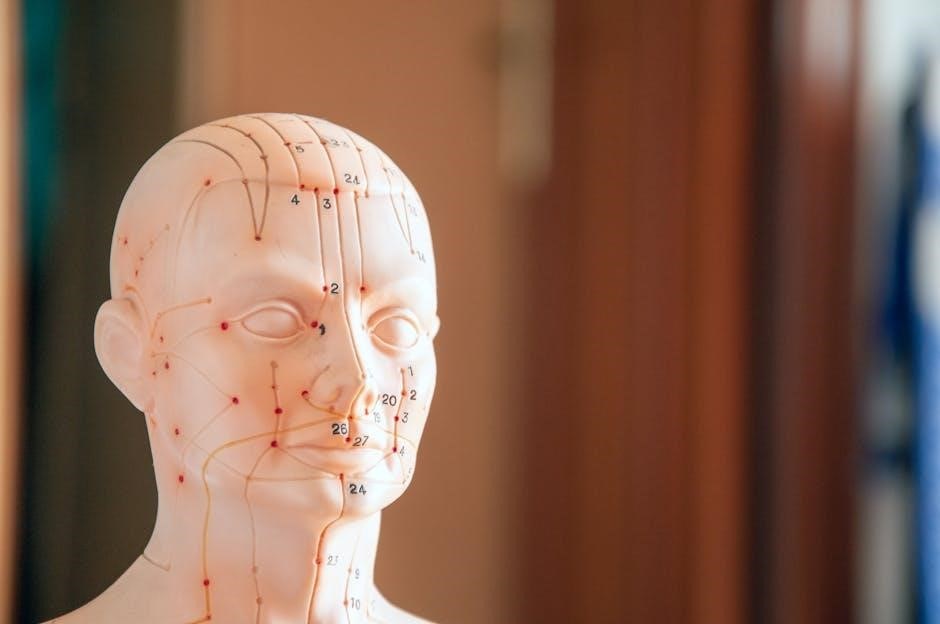
The Role of Age and Other Factors
Dermatome maps‚ readily available as PDF guides‚ represent a generalized anatomical framework‚ but individual variations exist‚ influenced by age and other physiological factors. In older adults‚ degenerative changes in the spine can alter nerve root compression patterns‚ potentially shifting or blurring traditional dermatomal distributions depicted in standard PDF charts.
Furthermore‚ pre-existing conditions like diabetes or vascular disease can impact nerve function‚ leading to atypical sensory presentations. Anatomical anomalies‚ though less common‚ can also deviate from the expected PDF-illustrated patterns.
Obesity and pregnancy can also subtly alter dermatomal boundaries due to changes in body composition and nerve compression. Therefore‚ while PDF dermatome maps are valuable tools‚ clinicians must interpret findings within the context of the patient’s overall health and individual characteristics.